86 years after the first twelve seconds
Northrop B-2 Spirit Spirit Stealth Bomber
No tail, no shadow on the radar
The story
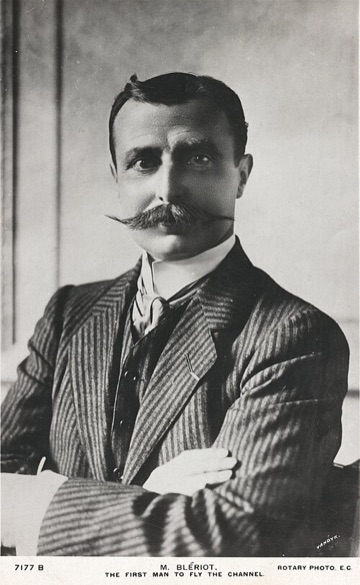
Eighty years after set the standard layout of nose, wing and tail, the B-2 threw the fuselage and tail away. A pure flying wing has almost no vertical surfaces to bounce radar waves back to an antenna, giving this 170-tonne bomber the radar signature of a small bird. Because it has no tail to keep it straight, it is aerodynamically unstable: adjust the control surfaces hundreds of times a second to keep it in the air.
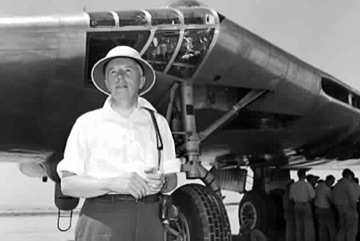
had built flying wings in the 1940s, among them the YB-49 jet bomber, but without computers they were hard to keep steady and the Air Force cancelled them. Shortly before he died in 1981, he was given clearance to see the secret design for the B-2.
The Cold War ended while it was being built, and the order fell from 132 aircraft to 21, which pushed the cost of each, with its share of development, to about two billion dollars. Its missions are long: in 2001 B-2s flew from Missouri to strike Afghanistan, and one of them stayed in the air for more than 44 hours.
How it works
Loading the 3D model…
Specifications
- Top speed
- 1,010 km/h
- Wingspan
- 52.4 m
- Max weight
- 170,600 kg
- Ceiling
- 15,200 m
- Range
- 11,000 km
- In 12 seconds
- 3.4 km
- Power
- 4 × General Electric F118-GE-100 turbofans, 77 kN each
Where it flew
Palmdale, California
Air Force Plant 42, Palmdale. The simulator starts here, over today's ground and imagery of the place.
Fly it yourself
Take the Northrop B-2 Spirit up in 3D, with its real weight, wing area and power.
Take off with no tail and hold it straight.