14 years after the first twelve seconds
Sopwith Camel F.1
Built to turn
The story
The engine, fuel, guns and pilot were packed into the first two metres of the fuselage, and the spinning pulled the nose hard to the right. It was unforgiving to learn and brilliant in a dogfight, and it shot down more enemy aircraft than any other Allied fighter of the war.
Its name came from the hump of the metal fairing over its two Vickers machine guns, which fired through the propeller with a gear that to pass between the blades. The Camel was tail-heavy and so quick to answer the controls that it killed many pilots in training, while the best used the rotary's pull to turn right faster than any opponent could follow.
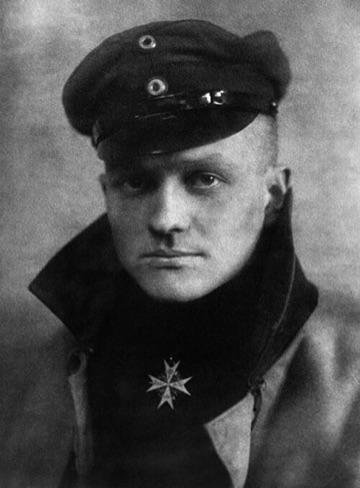
Nearly 5,500 were built. On 21 April 1918 , the Red Baron, was killed while chasing a Camel of No. 209 Squadron low over the Somme. That August a Camel flown off a barge towed behind a destroyer shot down the Zeppelin L 53.
How it works
Loading the 3D model…
Specifications
- Top speed
- 185 km/h
- Wingspan
- 8.5 m
- Max weight
- 659 kg
- Ceiling
- 6,400 m
- Range
- 485 km
- In 12 seconds
- 617 m
- Power
- 130 hp Clerget rotary
Where it flew
Western Front, First World War
Flanders, near Bailleul. The airfields of 1917 are farmland again. The simulator starts here, over today's ground and imagery of the place.
Fly it yourself
Take the Sopwith Camel up in 3D, with its real weight, wing area and power.
Climb to 1,000 m and roll it through a full turn.